

Why the Current Durupinar Research Needs Careful Testing
There has been a lot of attention on Durupinar again lately, and this time there is more happening than another round of aerial photographs and old arguments. The current team is using ground-penetrating radar, electrical surveys, soil analysis, detailed mapping, and now core drilling. That last part is what interests me most, because at some point we have to move beyond arguing over what an image looks like and start asking what is actually in the ground.
I have known Andrew Jones for years and talk with him regularly, so I want to say at the outset that I respect the seriousness with which he has pursued this site. I do not question his sincerity or his desire to find the truth about Durupinar. The same goes for the university researchers now involved. My concern is simply that some of the public claims have moved faster than the evidence, and I think the project will be much stronger if everyone slows down and lets the testing lead.
Faith in the biblical Flood does not require us to identify Durupinar as the Ark, and asking hard questions about the site is not an attack on Scripture.
What the radar can and cannot tell us
That is especially true with the radar work. Ground-penetrating radar can be incredibly useful, but it does not produce photographs of walls, rooms, decks, or corridors. It records changes in the subsurface. Those changes may be archaeological, but they may also be caused by bedding, fractures, cavities, changes in rock type, or moisture differences. Once an anomaly is labeled a “wall,” it becomes very easy for that label to start doing the work of the evidence.
The good news is that the current drilling program gives the team a chance to test those interpretations directly. If a radar line is being interpreted as a wall, drill it. If a flat reflector is being called a deck, test the depth and material in several places. If something is being described as a corridor, there should be physical boundaries that distinguish it from the surrounding material. This is where the project can really move forward, because the drill does not care what the colored overlay looks like. It encounters whatever is actually there.
The soil and drilling results
The same caution applies to the soil results. Some samples from inside the formation have reportedly shown more organic matter, carbon, or potassium than samples taken outside. That is interesting, but “inside” and “outside” are not automatically comparable environments.
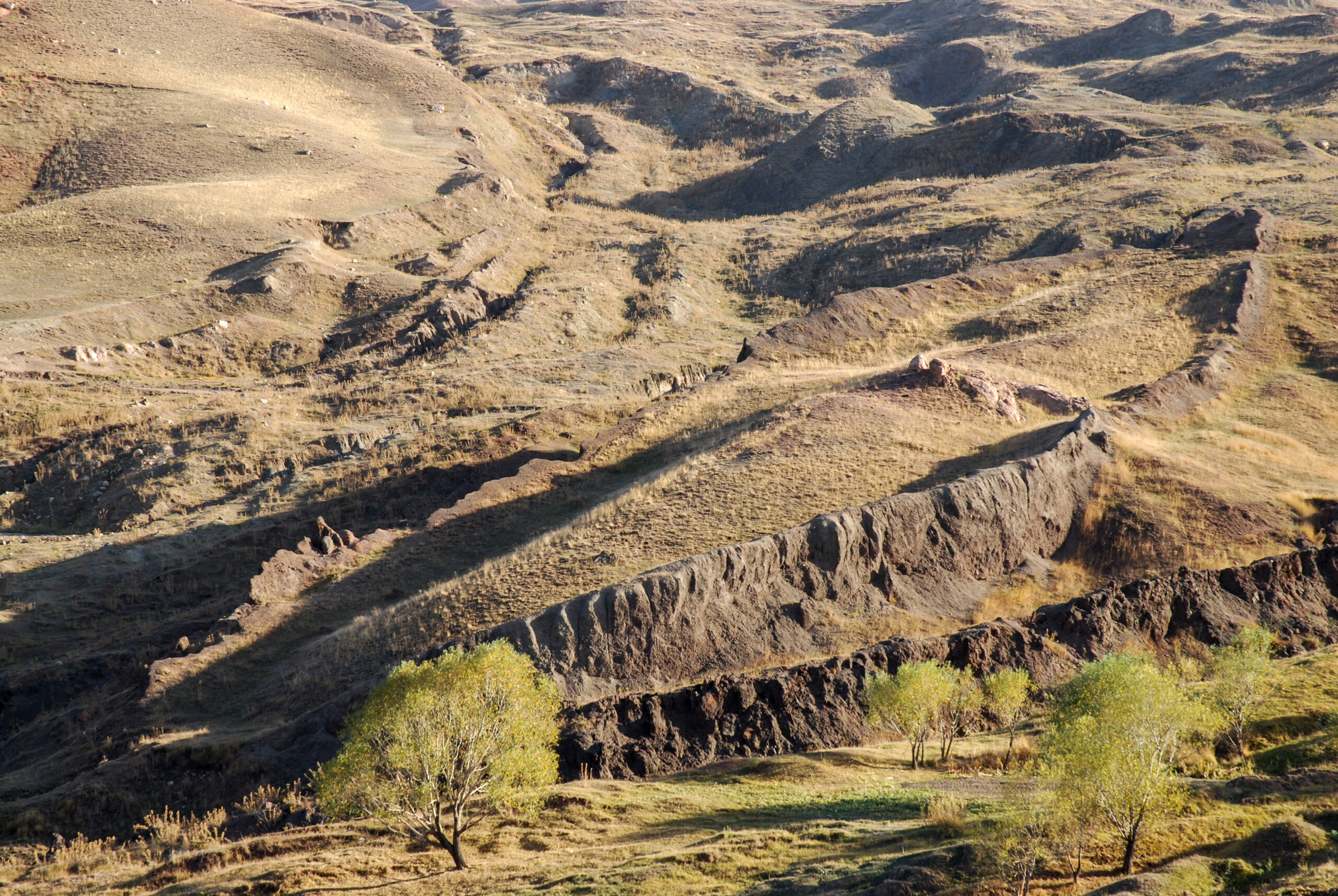
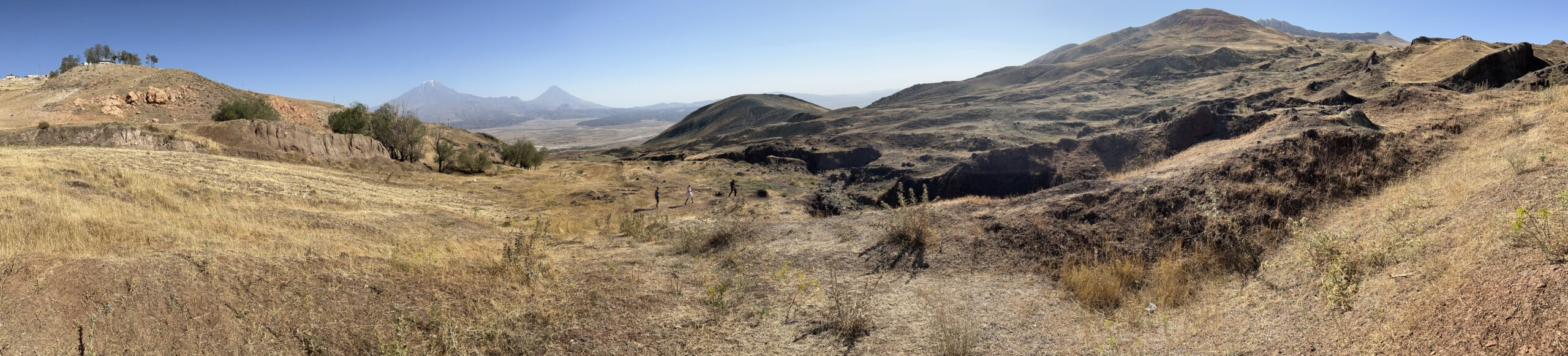
One thing that stands out in many photographs is that Durupinar often supports more vegetation than the surrounding ground. The raised formation can trap deeper soil, hold moisture differently, accumulate plant litter, and support more roots. In practical terms, it may function a little like a natural planter box. If so, higher carbon and plant nutrients inside the outline would not be surprising.
That is a very testable question. Instead of simply comparing inside samples with outside samples, the team can match locations by soil depth, vegetation, slope, moisture, drainage, and parent material. If the chemical difference remains after those factors are controlled, then it becomes much more interesting. If the difference follows vegetation and soil development, then we have a straightforward natural explanation.
The newest drilling reports also deserve patience. The team has encountered a very hard layer at depth, and possible petrified or mineralized wood has been mentioned publicly. Maybe it is. But at this stage, the only thing we really know is that the drill encountered something hard enough to cause problems. Hardness is not an identification.
Dense limestone can be hard. Volcanic rock can be hard. Chert, cemented sediment, and mineralized material can all be difficult to drill. The encouraging part is that this is not a mystery that has to remain a mystery. Once the material is recovered, thin sections, XRD, XRF, SEM work, and microscopy can tell us a great deal about what it actually is. If it is petrified wood, preserved biological structure should be visible. If it is rock, that should become clear too.
And even if wood is eventually identified, that would only be the beginning. Wood underground is not automatically ship timber. A constructed vessel should eventually show repeated worked material, consistent orientation, shaping, joinery, or some other evidence of human construction. That is the level the evidence ultimately needs to reach.
What I would like to see next
This is also why I would like to see more outside specialists brought into the project, especially people who are not already invested in Durupinar being the Ark. That does not mean bringing in people simply to be negative. It means bringing in geologists, geophysicists, soil scientists, wood specialists, and archaeologists who will look at the raw data and ask, “What else could cause this?”
That kind of pressure testing protects the project. Raw radar data could be given to independent analysts before they see the proposed wall or room overlays. Important samples could be split between laboratories. Every core should be logged, including the uninteresting ones. Soil results should be published in full, not just as averages or headline numbers. Most importantly, the team should decide in advance what results would count against the Ark interpretation.
That is where I think some of the current publicity has become counterproductive. Social media rewards certainty, but research usually does not move that quickly. A possible wall becomes a wall. A hard layer becomes petrified wood. A chemical difference becomes evidence of decayed timber. By the time the public sees the story, the qualifications are often gone.
I understand why people get excited. I would be excited too if Durupinar turned out to contain the remains of a large ancient vessel. But excitement is exactly why careful testing matters.
Faith in the biblical Flood does not require us to identify Durupinar as the Ark, and asking hard questions about the site is not an attack on Scripture. Christians should be among the people most willing to test claims carefully, especially when those claims appear to confirm something we already believe.
For now, I think the best thing the Durupinar team can do is keep drilling, keep testing, publish the results, and let qualified people challenge the interpretations. If the formation contains the remains of a constructed vessel, good science will make that case stronger. If it is a natural geological feature, good science will show that too. Either way, I would much rather know what Durupinar actually is than win a headline.

Sources and further reading
- Sivas Cumhuriyet University — 2026 Durupinar research project announcement
- Sivas Cumhuriyet University — preliminary 2026 research results
- Noah’s Ark Scans — 2026 soil-sampling report
- September 2026 core-drilling announcement
- Noah’s Ark Scans — project overview
Image credits:
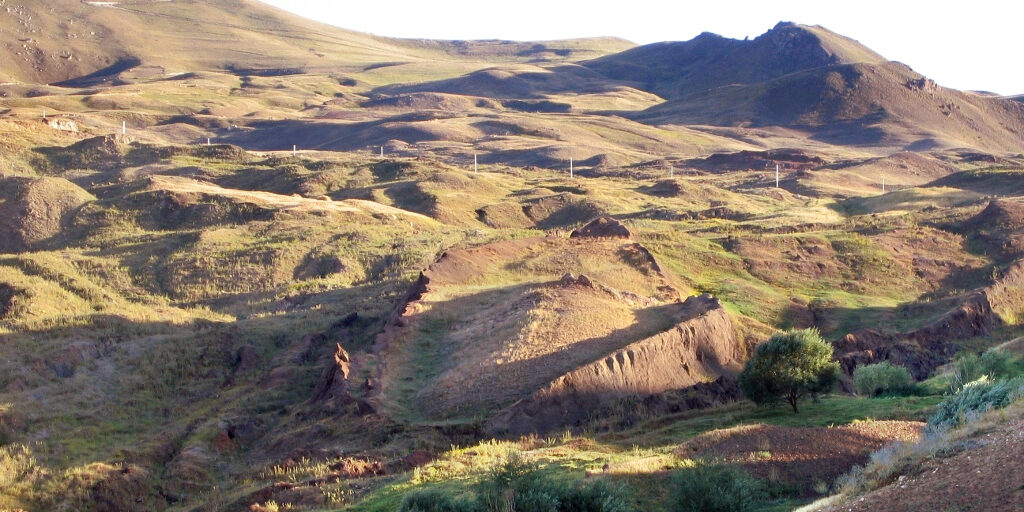
Featured image: Durupinar formation, photograph by Mfikretyilmaz/Wikimedia Commons, CC BY 3.0. Cropped to a 2:1 format for display.
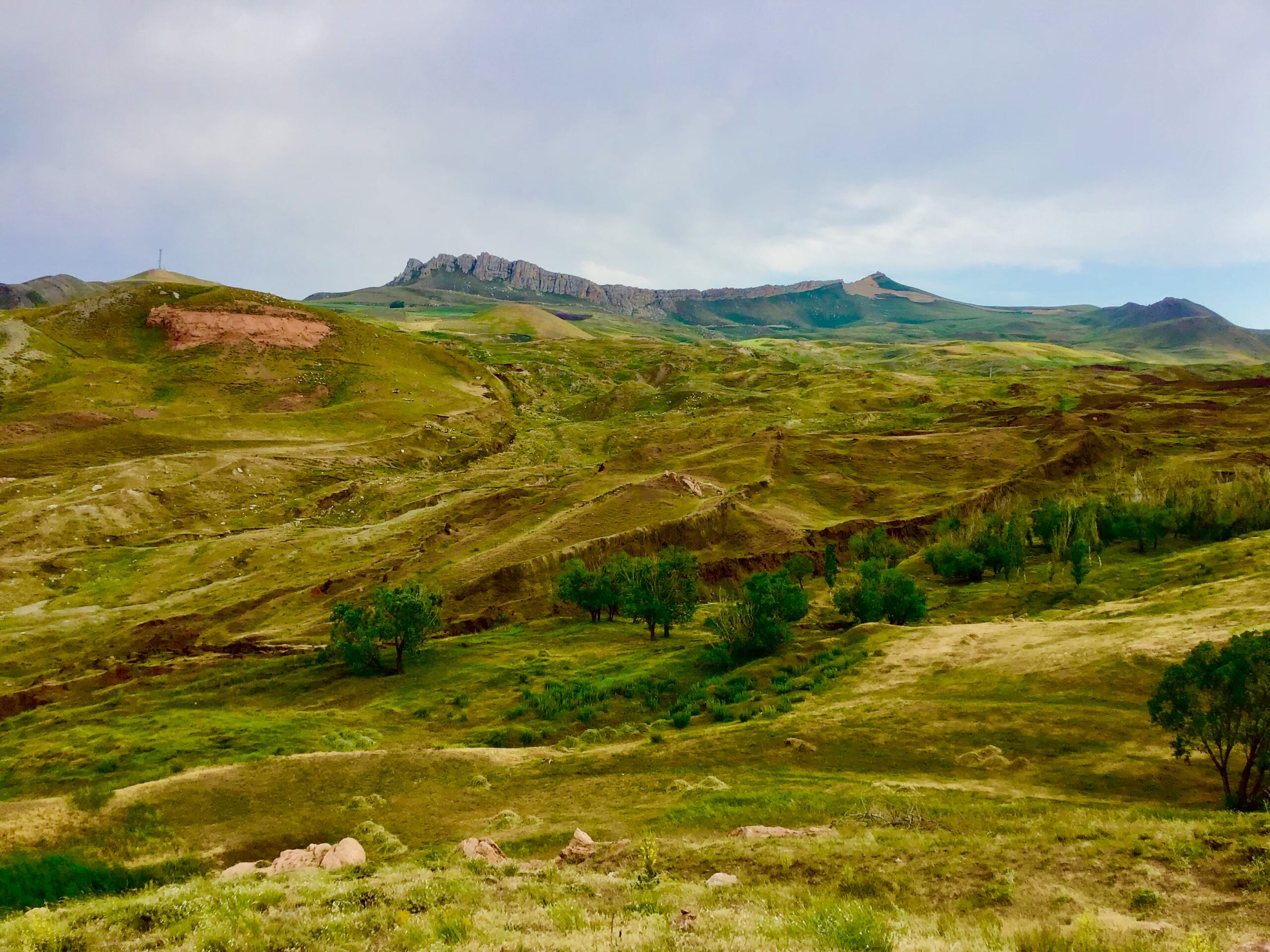
Durupinar in July 2019: photograph by Wikkiwooki/Wikimedia Commons, CC BY-SA 4.0.
Closer view of the Durupinar formation: photograph by Zorka Sojka/Wikimedia Commons, CC BY-SA 4.0.
Panoramic view of Üzengili, the Durupinar visitor center, Mount Ararat, and the Durupinar formation: photograph by Irek i Kasia/Wikimedia Commons, CC BY 4.0.